
Audio By Carbonatix
Not unlike many Holocaust survivors, onetime World War II Japanese internment-camp detainees just don’t want to talk about it, so they bury their anger and sadness. But in the current political climate — one in which North Carolina congressman Howard Coble can condone the camps by noting that they were created to “protect” Japanese-Americans — perhaps it’s time to open up.
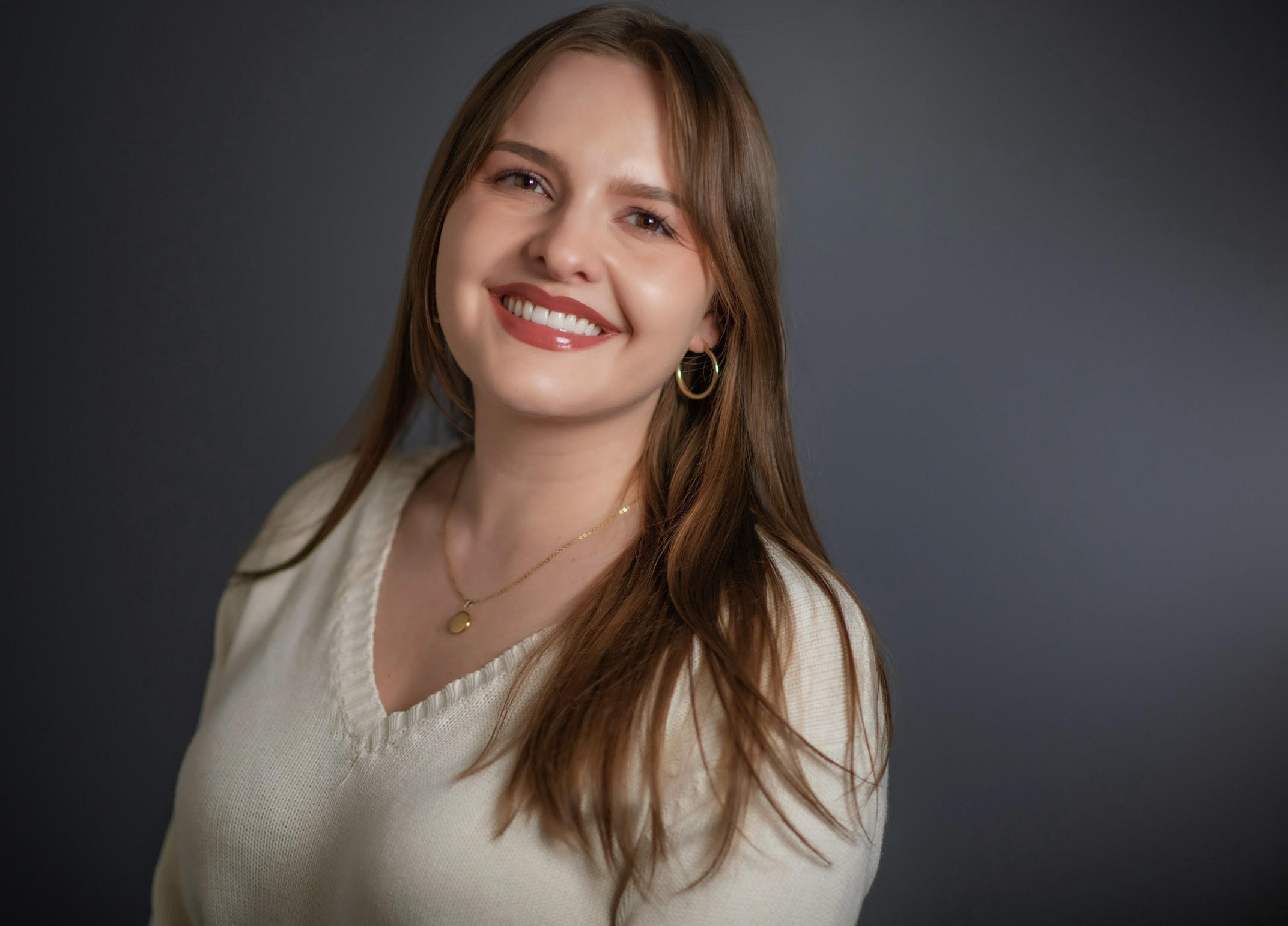
That, says local life coach Erin Yoshimura, is what Day of Remembrance is all about. The annual February 19 observance marks the anniversary of the date President Roosevelt approved the creation of Japanese internment camps by signing Executive Order 9066. “If it was for our protection,” Yoshimura asks, “why was there barbed wire around the camps? Why were there guns pointed toward the camps? In a way, this is what our silence has cost us.”
Yoshimura was born at the tail end of the baby boom, so whatever effect the camps have had on her (and others in her age group) is secondhand. But, she points out, that’s why it’s important to learn more: “There are too many questions we don’t ask. The Japanese are silent by nature, and I believe internment exacerbated that in our parents and grandparents.”
In response, she has organized a Day of Remembrance/Children of the Camps Workshop with filmmaker/facilitator Dr. Satsuki Ina, from 1 to 5 p.m. February 22 at the Denver Buddhist Temple, 1947 Lawrence Street. In part a free screening of Ina’s documentary The Children of the Camps, the afternoon event is also an open invitation for former internees from Colorado to share their untold stories. “Most of the first generation is gone,” Yoshimura says. “When the second generation dies off, so will the stories.”
When news happens, Westword is there —
Your support strengthens our coverage.
We’re aiming to raise $50,000 by December 31, so we can continue covering what matters most to this community. If Westword matters to you, please take action and contribute today, so when news happens, our reporters can be there.
Yoshimura hopes events like this one will open up an important Stateside chapter of World War II history to others, including non-Japanese citizens and teachers, and still younger generations of Japanese-Americans. Her own seventeen-year-old son, she notes, recently brought home a brand-new history book from school that contained only one paragraph on internment camps. “There are lots of books out there, but nothing mainstream in the education system unless teachers pull it in themselves,” Yoshimura says. “That’s why we’re encouraging educators to attend, too.”
Admission is free; call 303-200-0031 or log on to www.children-of-the-camps.org for information.